TL;DR: Dale Carnegie has been in professional development for more than a century, and its Swedish arm used to deliver the proof of it as a simpler digital diploma, black and white, carrying none of the quality mark the company wanted visible. The job that took longest was tracking down people who had lost theirs. The certificates are now permanent, verifiable and built to be posted, and Dale Carnegie can see what happens to them. Over a thousand credentials have been issued and viewed tens of thousands of times.
Change in a person. Dale Carnegie trains people to communicate, lead and influence, and Berit Fridman, CEO of Dale Carnegie Sweden, describes the mission as building trust, results and relationships.
That makes the certificate an unusual object. It is the only visible trace of something that happened inside a person, and the person it happened to usually wants to say so.
It was digital, and it looked it.
Dale Carnegie’s earlier digital diplomas were simpler, black and white, and nothing like the ones it issues today. For a company that wants its own quality stamp visible, that was the wrong note to end a course on.
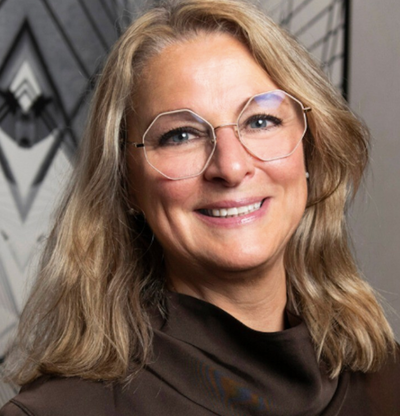
“Our customers invest in themselves, and we want that investment to be visible, lasting and easy to share.”
None of those three words described the old one. A plain file is visible to nobody but the person holding it, and once that person had lost it, finding it again was the job that took longest at Dale Carnegie.
The certificate became something a participant could publish. Each one is secure, cannot be altered, and can be verified with a single click.
“Our participants are proud. They have gone through a real change. Now they can show that change, on LinkedIn, in their CV and in conversation.”
The documents carry Dale Carnegie's design and say what the person achieved at a glance. They live on a subdomain that reinforces where they came from, and participants often share them within hours of receiving them.
Numbers where there were none. The platform lets Dale Carnegie track views, shares and engagement on every credential issued, and that data now feeds into marketing and client development conversations rather than sitting in a folder.
“We see it now. A certificate is not just a thank you. It is marketing. It is proof. It is a signal.”
Over a thousand credentials have been issued this way and viewed tens of thousands of times. Each of those views is somebody encountering the Dale Carnegie name because a graduate chose to show it, which is a different kind of attention from an advert.
Because anyone can claim anything online, and a claim about personal development is easier to make than most. A participant who can hand over something checkable is doing what the training taught them: making a case that stands up.
Two other providers whose participants share what they earned: Berghs School of Communication and IHM Business School. On what a document does after it is handed over, see the certificate as a marketing channel.
Simpler digital diplomas, black and white, which the company says were nowhere near as good looking as the ones it issues now.
Because the product is personal change. A participant who has changed how they speak, lead or sell has something to show, and a plain file nobody can check shows it to nobody.
Views, shares and engagement on every credential issued. That data feeds into marketing and client conversations rather than sitting unused.
On LinkedIn, in their CV and in conversation. Over a thousand credentials have been issued and viewed tens of thousands of times.
Not just a thank you. In her words it is marketing, it is proof, and it is a signal.
Every organisation on these pages started with the same question. Give us thirty minutes and we will show you what your own documents would be worth.
Book a callNot sure where to start? Let us help!

Trusted by leading organisations worldwide