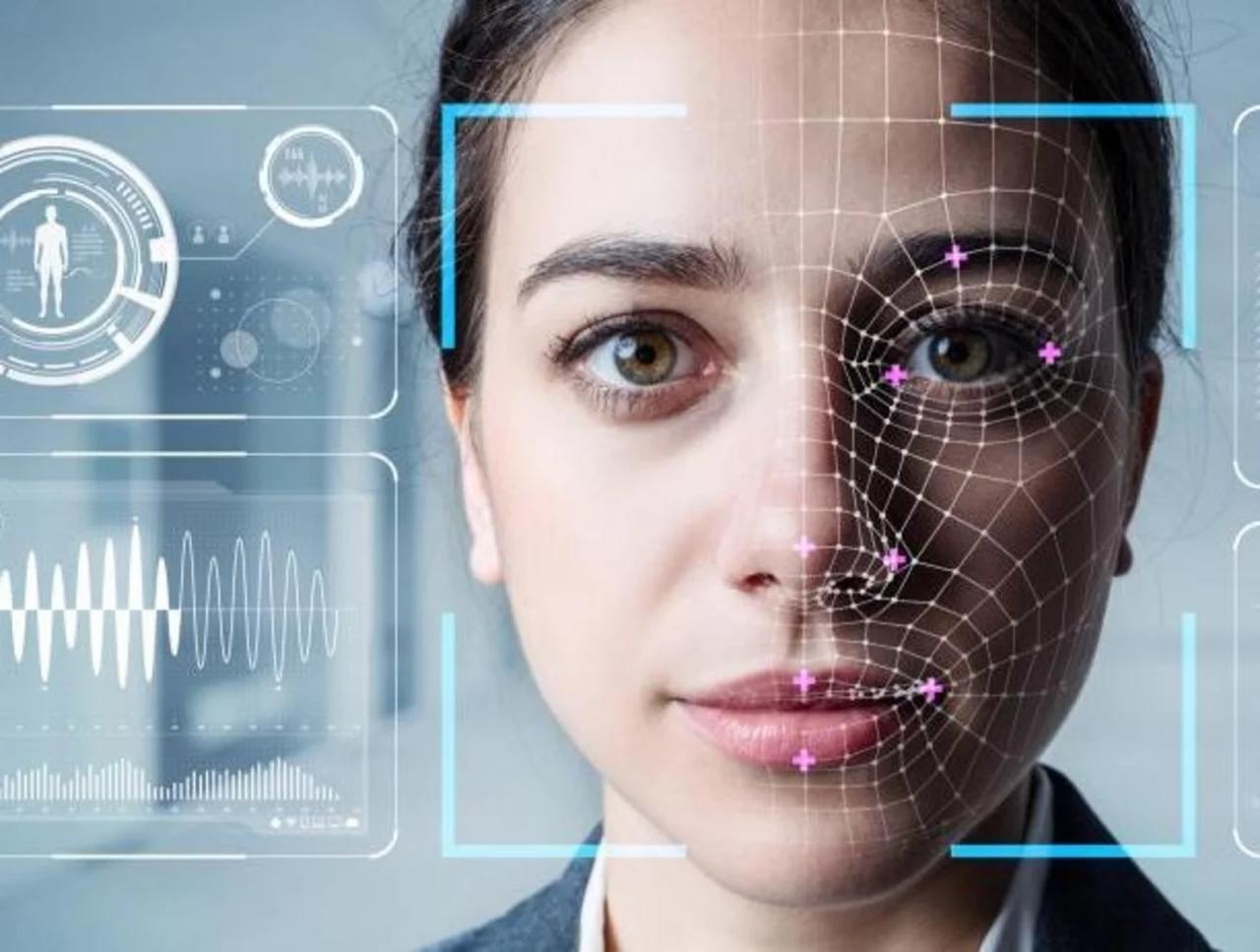
Digital identity verification has reached an inflection point.
The systems organisations relied on for decades — manual document checks, database lookups, knowledge-based authentication — are failing against sophisticated fraud, AI-generated deepfakes, and evolving regulatory requirements.
At the same time, new frameworks are emerging. The EU Digital Identity Wallet launches across member states. eIDAS 2.0 establishes new standards for electronic identification. Blockchain technology offers verification models that don't depend on centralised databases.
For organisations managing credentials, professional certifications, academic qualifications, and workforce identity, 2026 represents both a challenge and an opportunity. This guide examines the digital identity landscape, the forces reshaping verification, and practical steps to prepare.
The EU's digital identity agenda is no longer theoretical. Key initiatives are taking effect:
EU Digital Identity Wallet: Member states are rolling out digital wallets that allow citizens to store and share identity credentials — from government IDs to professional qualifications to educational certificates. By late 2026, public services and large private organisations must accept these wallets for identity verification.
eIDAS 2.0: The updated regulation expands electronic identification requirements beyond government services to the private sector. Organisations providing services in finance, healthcare, education, and professional certification face new compliance obligations.
Cross-Border Recognition: Digital credentials issued in one EU member state must be verifiable and accepted across all member states, creating standardisation requirements and opportunities for organisations with European operations.
AI can now generate convincing fake credentials in minutes. The visual security features that protected documents for decades — watermarks, holograms, embossed seals — can be replicated by AI image generators. More concerning: AI can generate synthetic identities with consistent documentation. Fake certificates, diplomas, and professional licenses that all cross-reference correctly because AI generated the entire identity package.
Traditional verification methods that rely on visual inspection cannot keep pace. For more on this challenge, see our guide on detecting and preventing fake certificates.
Most current verification systems depend on centralised databases — calling the issuing institution, checking the verification portal, querying the professional registry. This model has fundamental weaknesses:
Organisations operating across jurisdictions face a patchwork of requirements: different document types accepted in different countries, varying standards for electronic signatures and seals, multiple professional licensing bodies with distinct verification processes, and evolving regulations with different implementation timelines.
Manual verification creates friction at critical moments: hiring processes delayed by credential checking, business relationships slowed by qualification verification, professional services delayed by licence confirmation. This friction has real costs in lost productivity and missed opportunities.
The EU Digital Identity Wallet is a smartphone application that stores identity credentials issued by government authorities and recognised private entities. Credentials include cryptographic proofs that verifiers can check without contacting issuing authorities — instant and privacy-preserving. Organisations must implement systems to accept wallet-presented credentials, with requirements expanding to large private sector organisations by 2027.
The updated Electronic Identification, Authentication and Trust Services regulation establishes: qualified electronic signatures (legally equivalent to handwritten signatures across the EU); electronic seals for organisational authentication; electronic timestamps proving existence at a specific time; and qualified trust service providers who can issue qualified certificates and credentials. For organisations issuing credentials, eIDAS 2.0 creates pathways to legal recognition across all EU member states.
The W3C Verifiable Credentials standard — adopted by the EU and increasingly by private sector organisations — defines three roles: Issuer (creates and signs credentials), Holder (receives, stores, and presents credentials), and Verifier (validates credential authenticity and integrity). The standard supports various cryptographic methods, including blockchain-based verification.
United States: State-level digital driver's licence initiatives; federal digital identity discussions gaining momentum. United Kingdom: Post-Brexit digital identity framework; focus on digital right-to-work verification. Asia-Pacific: Singapore's national digital identity system; integration of professional credentials. International: ISO standards for digital credentials; professional association cross-border recognition initiatives.
When a credential is issued and recorded on blockchain, the record cannot be altered. This provides tamper evidence (any modification produces a hash mismatch), a permanent audit trail of issuance and revocation, and definitive dispute resolution evidence.
Blockchain verification doesn't depend on any single organisation's infrastructure. No single point of failure — the blockchain exists across thousands of nodes. Credentials remain verifiable even if the issuing organisation closes or changes systems. Anyone anywhere can verify credentials without special access or accounts.
Blockchain verification provides mathematical proof, not trust-based assurance. Hash verification checks credential content against an immutable record. Cryptographic signatures prove the issuer's identity and credential integrity. Verification doesn't require trusting third-party services.
Modern blockchain credential systems align with emerging standards: W3C Verifiable Credentials (blockchain provides the verification layer), Decentralised Identifiers (blockchain anchors decentralised identity systems), and eIDAS 2.0 (qualified electronic seals and timestamps can be implemented using blockchain infrastructure).
For a deeper technical explanation, see our guide to blockchain certificate verification.
Government-issued identification confirms legal identity but says little about qualifications, competencies, or professional standing. For many transactions, what matters is: Does this person have the qualifications they claim? Is their professional certification current? Did they complete the training they say they completed? Verifiable credentials answer these questions with the same certainty that government ID provides for legal identity.
When credentials are blockchain-verified, a complete trust chain exists: (1) the issuing organisation's reputation backs the credential; (2) blockchain confirms the credential was genuinely issued; (3) blockchain confirms the credential hasn't been altered; (4) revocation status is current and verifiable. This trust chain provides everything a verifier needs — without contacting the issuer.
Audit current credentials: what your organisation issues and requires, what verification processes exist, and where the pain points are. Map regulatory requirements: which eIDAS 2.0 obligations apply, what EU Digital Identity Wallet integration is required, what jurisdiction-specific requirements exist, and what the compliance timelines are. Evaluate technology options aligned with your scale, security requirements, and integration needs.
Define credential architecture: credential types, information fields, verification attributes, and integration with existing systems. Plan verification workflows: how credentials will be presented, what verification steps are required, and how results feed into business processes. Design compliance approach for eIDAS 2.0 and EU Digital Identity Wallet support.
Deploy credential infrastructure: implement issuance systems, configure blockchain verification, integrate with existing identity systems, and test end-to-end. Build verification capabilities: implement APIs and interfaces, train staff, establish exception procedures, and monitor performance. Achieve compliance: complete certifications, document posture, establish audit procedures.
Monitor and optimise by tracking credential issuance and verification metrics. Maintain compliance by staying current with regulatory changes. Expand capabilities by adding new credential types and integrating additional verification touchpoints.
TRUE provides blockchain-secured credentials that align with the emerging digital identity landscape:
Digital identity verification in 2026 looks fundamentally different from 2020. Regulations like eIDAS 2.0 and the EU Digital Identity Wallet create new requirements and opportunities. AI-powered fraud makes traditional verification obsolete. Blockchain technology provides verification models that address challenges centralised systems cannot.
Organisations that prepare now — auditing current systems, understanding new requirements, implementing standards-compliant verification — will navigate this transition smoothly. Those that wait face rushed implementations, compliance pressure, and competitive disadvantage.
The credentials you issue today should be verifiable tomorrow, next year, and decades from now. That requires building on blockchain verification, open standards, and decentralised infrastructure that will remain relevant as identity technology continues evolving.
TRUE provides the blockchain-secured, standards-compliant credential infrastructure organisations need for the digital identity landscape of 2026 and beyond.
Learn more: Blockchain Certificate Verification | Government & Public Sector Solutions
Save time, increase traffic and insights and build trust, by upgrading to blockchain secured diplomas and course certificates, which are loved by recipients and always verifiably authentic.
Book a demoNot sure where to start? Let us help!

Trusted by leading organisations worldwide